
A Style for Everyone

Cottage Style
Cozy and Inviting
Cottage-style landscape is informal and plant-heavy, with a mix of flowers, herbs, and shrubs. It avoids rigid structure in favor of a more natural layout with simple paths and soft edges. The focus is on creating a functional, low-maintenance space that still feels full and lived-in.
Informal
Casual and Easy Going
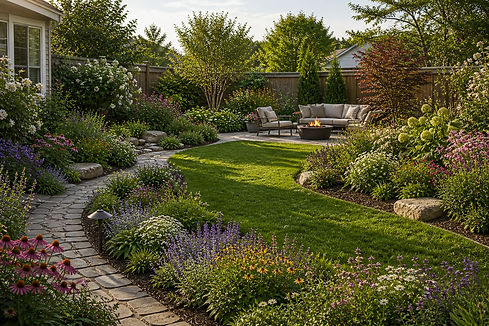
An informal landscape uses natural shapes and avoids strict symmetry or rigid layouts. It typically features curved lines, mixed plantings, and a more relaxed arrangement of elements. The design focuses on blending with the surroundings rather than standing out.

Alpine
Rugged and Durable
Alpine-style landscape is inspired by high-mountain environments and focuses on low-growing, hardy plants. It typically features rocks, gravel, and well-drained soil to mimic natural alpine conditions. The layout is simple and compact, often using small-scale plants arranged among stones.
Formal English Garden
Orderly and Timeless
A formal English garden is structured and symmetrical, with clearly defined lines and balanced layouts. It often includes trimmed hedges, straight pathways, and organized planting beds. Lawns and focal points like statues or fountains are commonly used to anchor the design.


Xeriscaping
Simplicity Redefined
A xeriscape landscape is designed to minimize water use by relying on drought-tolerant plants and efficient layout. It typically uses gravel, rock, and well-draining soil instead of large lawn areas. Plant choices are low-maintenance and adapted to dry conditions.
Modern
Elegant and Streamlined
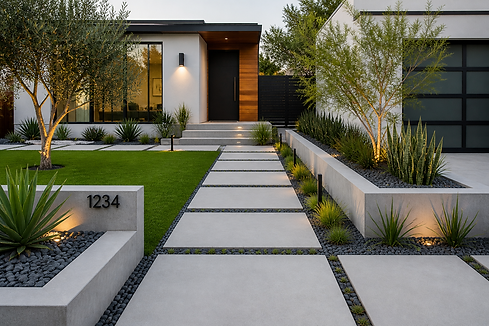
A modern landscape focuses on clean lines, simple layouts, and a limited plant palette. It often uses materials like concrete, stone, and metal to create defined spaces. Plantings are typically minimal and arranged for structure rather than density.

Traditional
Practical and Orderly
A traditional landscape uses a balanced layout with simple, familiar elements like lawns, shrubs, and trees. It often features clean edges, defined planting beds, and a clear structure around the home. Plant choices are classic and widely used, focusing on reliability and ease of care
Desert
Simple and Effecient
A desert landscape is designed for hot, dry conditions using drought-tolerant plants and minimal water. It typically features gravel, sand, and rock instead of large lawn areas. Plantings are spaced out and chosen for durability and low maintenance


Contemporary
Flexible and Clean
A contemporary landscape blends modern design with comfort and functionality. It uses clean lines but often incorporates a wider mix of materials, textures, and plant types than strict modern styles. Outdoor living features like seating areas, lighting, and fire elements are common.
Mid Century Modern
Bold and Functional
A Mid-Century Modern geometric landscape emphasizes strong lines, simple shapes, and a clean, structured layout. It often uses materials like concrete, gravel, and wood, paired with a minimal, carefully placed plant palette. Design elements are arranged in repeating patterns or grids to create visual order.


Asian
Peaceful and Calming
An Asian landscape emphasizes balance, simplicity, and a strong connection to nature. It often incorporates elements like stone, water, and carefully placed plants to create a calm, intentional layout. The design focuses on harmony and flow rather than dense planting or decoration.
Edible Garden
Structured and Delicious
An edible garden landscape is designed for growing food while maintaining a clean, organized layout. It typically includes vegetables, herbs, and sometimes fruit trees arranged in beds or defined sections. The design balances productivity with accessibility and ease of maintenance


Water-wise Pollinator
Natural and Eco-Friendly
A water-wise pollinator garden is designed to support bees, butterflies, and other beneficial insects while using minimal water. It relies on drought-tolerant, native plants that provide nectar and habitat throughout the growing season. The layout is often natural and layered, with mulch or gravel to retain moisture and reduce maintenance.

Rustic
Simple and Organic
A rustic landscape emphasizes natural materials and a rugged, informal layout. It often includes elements like wood, stone, and gravel, with plantings that feel native or loosely arranged. The design avoids polished or refined features in favor of a more raw, organic look.


Formal Garden
Balanced and Classic
A formal landscape emphasizes symmetry, order, and a clean, well-maintained appearance. It typically features straight walkways, evenly spaced plantings, and neatly trimmed shrubs or hedges. Lawns are often a central element, framed by structured planting beds around the home
Kid Friendly
Safe and Enjoyable
A kid-friendly landscape is designed to be safe, durable, and easy to use for everyday play. It often includes open lawn areas, simple pathways, and features like playsets or shaded seating for supervision. Materials are chosen to be low-maintenance and resilient to wear


Sport Lovers
Fun and Energetic
A sports-lover’s landscape is designed for activity, durability, and open space. It often includes features like a basketball hoop, turf or lawn areas for play, or even a small multi-use court. Materials are chosen to handle heavy use while staying low-maintenance
Zen
Balanced and Calming
A Zen garden is designed to promote calm, simplicity, and reflection. It typically uses raked gravel or sand, carefully placed rocks, and minimal plantings to create a clean, uncluttered space. The layout is intentional, with each element positioned to encourage balance and mindfulness.
